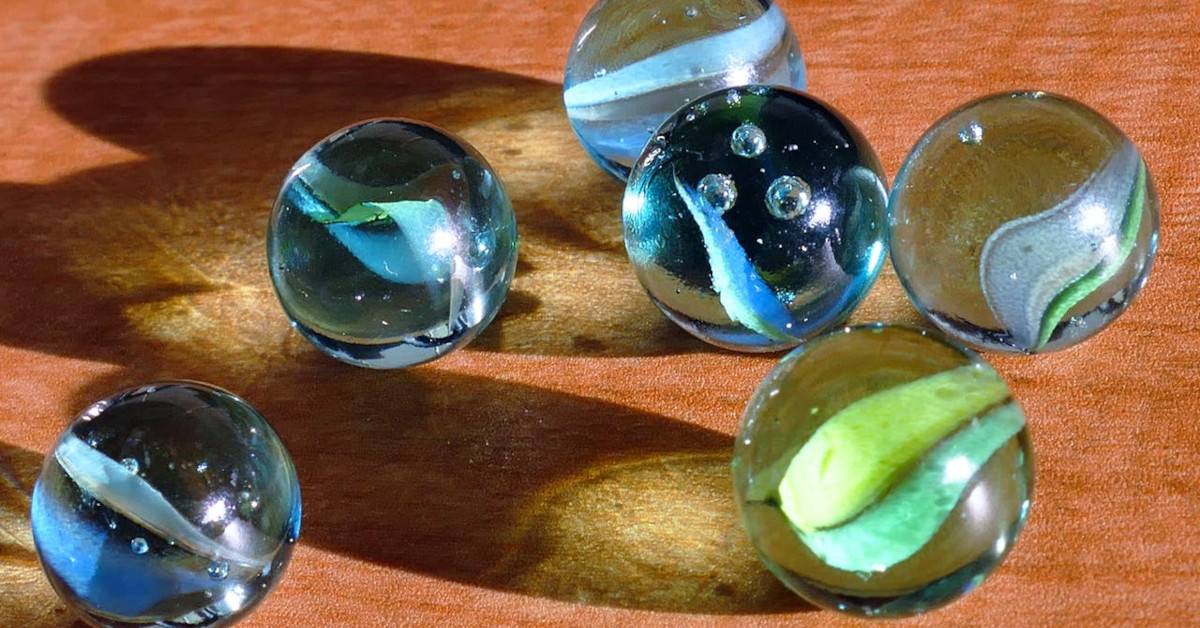
Photo by Anthony 🙂: https://www.pexels.com/photo/six-blue-and-green-marbles-on-brown-surface-139167/
Across gardens and patios worldwide, homeowners are placing bowls filled with marbles in their yards. The reasoning behind this simple yet ingenious practice reveals much about our evolving relationship with pollinators. The answer lies in a critical need that often goes unnoticed: bees need water, and they need it safely.
The Hidden Crisis: Bees and Hydration
Bees, like all living creatures, require water to survive. During hot months, foraging bees spend considerable energy searching for reliable water sources. Without accessible water, bee colonies weaken, reducing their pollination capacity and threatening both wild and managed populations. This seemingly minor detail has profound implications for gardens, crops, and ecosystems worldwide.
If you’re interested in attracting bees to your yard, the most effective approach is planting bee-friendly flowers and plants. Bees are naturally attracted to blooms in blues, purples, yellows, and oranges. Once bees are visiting your garden for nectar and pollen, a water station is a helpful amenity that supports them as they forage.
Why Marbles Matter
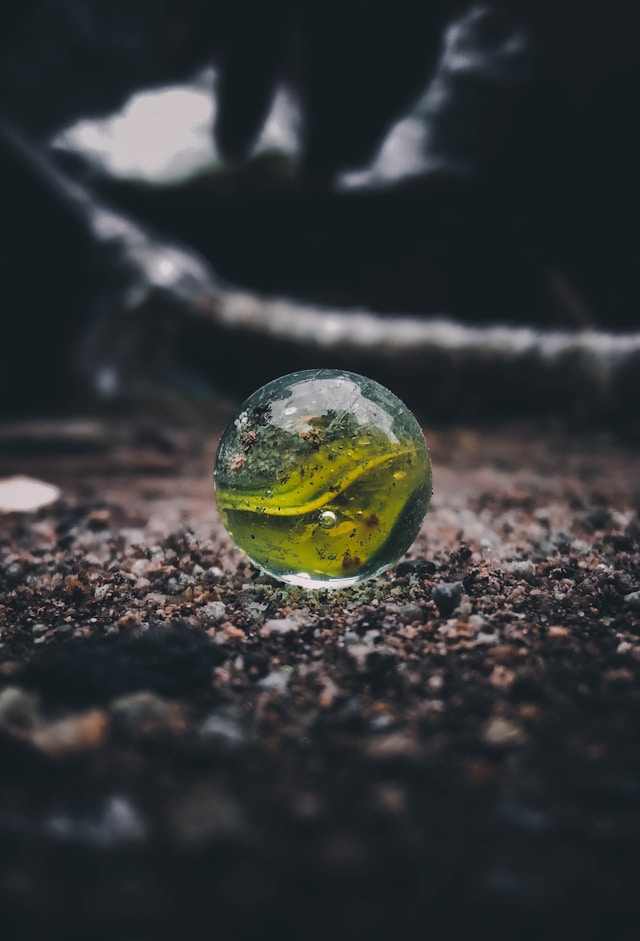
The humble marble serves a crucial purpose. When placed in a shallow bowl of water, marbles provide landing platforms that prevent bees from drowning. Unlike open water sources, where bees can slip beneath the surface, marbles create safe perches where insects can drink without risk.
The Simple Setup
Creating a bee water station requires minimal effort. Fill a shallow bowl with water, add marbles, pebbles, or stones, and position it near flowering plants or garden beds. As the water evaporates, simply refill it. That’s genuinely all it takes to support local bee populations.
Scientific Backing
Research confirms that water availability significantly influences bee behavior and colony health. Studies show that bees prefer consistent, nearby water sources, reducing the energy they expend searching for hydration. This efficiency translates to increased foraging productivity and stronger colonies.
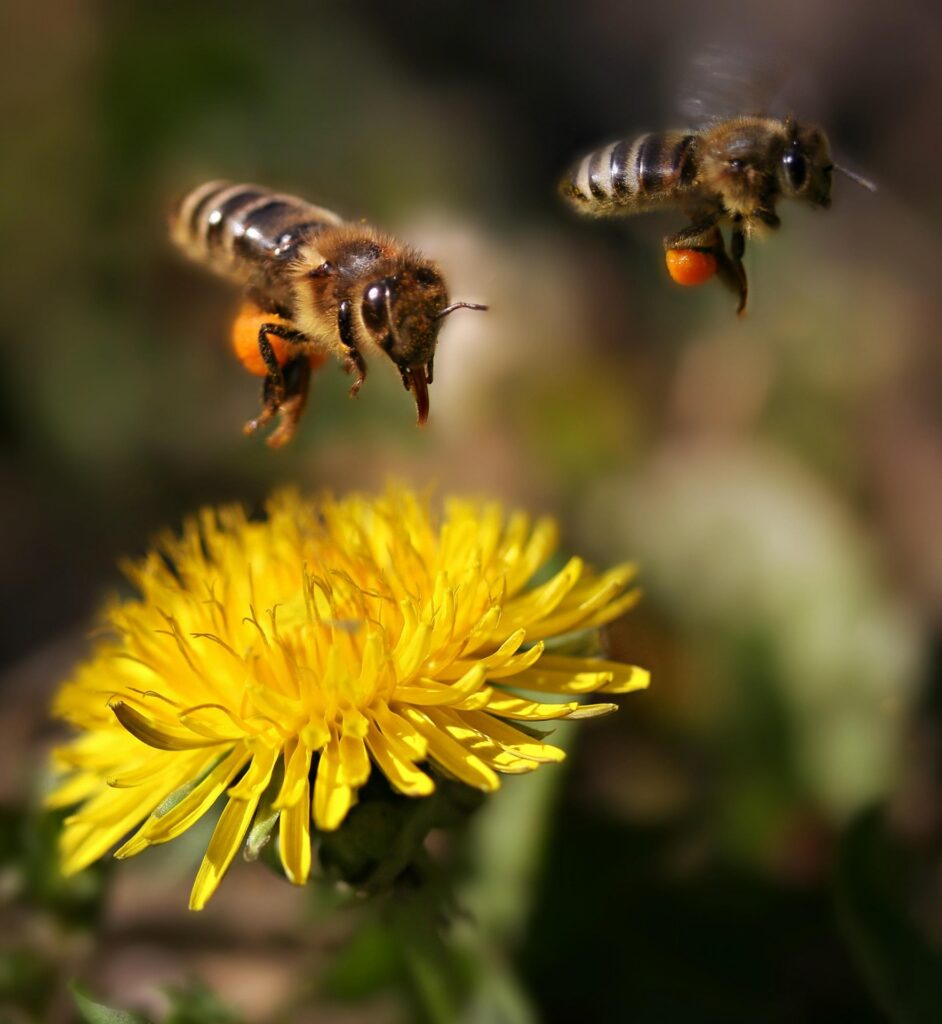
Image by Adina Voicu from Pixabay
Beyond Marbles: Alternative Designs
The key is providing a surface that prevents drowning while allowing access to water. While marbles are popular, other household items work equally well. Cork pieces, wine corks, small stones, and even floating wood create similar safe drinking platforms.
Community Contribution
Individual water stations might seem insignificant, but collectively they transform neighborhoods into bee-friendly environments. When multiple households adopt this practice, they create networks of hydration points that support regional bee populations.
Seasonal Considerations
Water stations are most critical during hot, dry months when natural water sources become scarce. However, maintaining them year-round supports bees during unexpected warm spells and early spring foraging periods.
Conclusion: Supporting Pollinator Health
Healthy bees mean thriving gardens. By providing water stations, homeowners directly support pollinator populations, which in turn enhances local food production and biodiversity. This simple act creates a ripple effect throughout ecosystems.