
The bouquet toss is often a moment that divides opinion during modern wedding celebrations. Some guests eagerly crowd the dance floor, jostling for position to catch the coveted flowers. Others view the ritual as outdated, uncomfortable, and uninspiring. This seemingly simple tradition carries centuries of history and evolving customs. Understanding where the bouquet toss originated reveals much about how wedding traditions develop and are maintained.
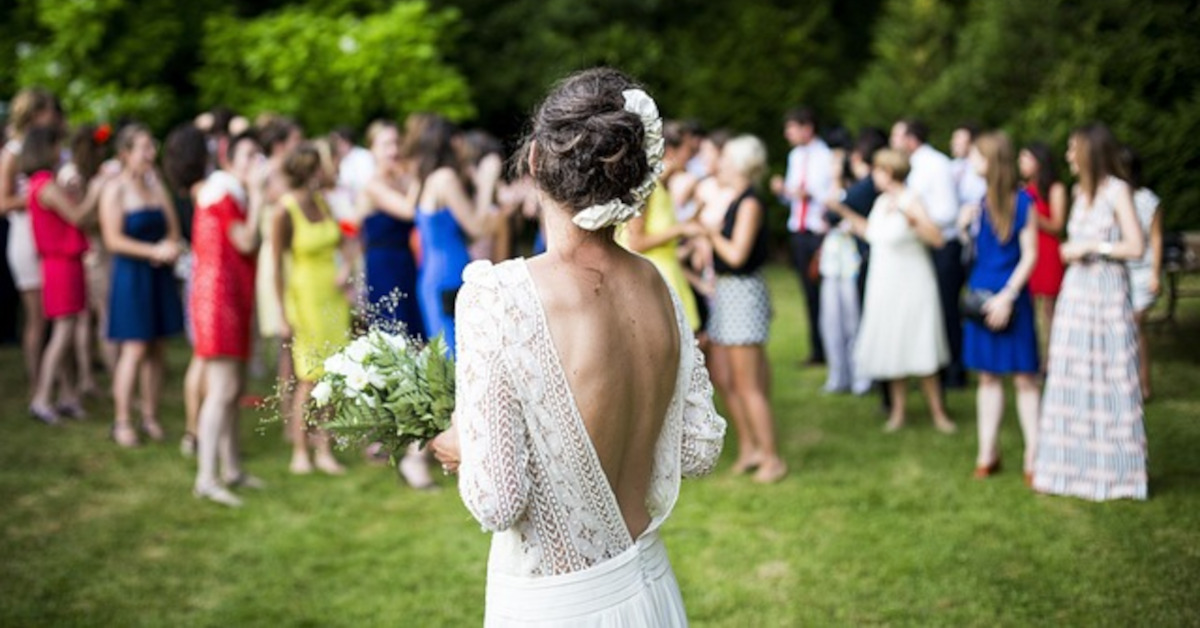
Image by StockSnap from Pixabay
Origins and Superstition
The Garter Belt Connection
The wedding bouquet toss didn’t emerge in isolation. It evolved from an earlier, far more intimate tradition involving the bride’s garter belt. In medieval Europe, wedding guests would literally remove the bride’s garter as a memento and symbol of good fortune. This practice was rowdy, invasive, and increasingly awkward as society evolved.Wedding planners and brides grew tired of this inappropriate custom, so they sought an alternative that maintained the tradition’s essence while providing dignity and decorum. The solution was ingenious: the bride would remove her garter and toss it to male guests, mimicking the original ritual without the uncomfortable physical contact.
The Bouquet as Secondary Tradition
The bridal bouquet itself held significance in Victorian times. Brides believed that distributing parts of their bouquets to guests would spread good fortune and fertility blessings throughout their social circle. This practice naturally evolved into tossing the entire bouquet, combining two traditions into one meaningful gesture.
Why Flowers Mattered
During the Victorian period, flowers carried deep symbolic meaning. A bride’s bouquet represented fertility, renewal, and the promise of future children. Guests catching the flowers believed they would be blessed with marriage, children, or good fortune. This superstitious belief made the bouquet toss a genuinely anticipated event rather than mere entertainment.
Gender Roles and Expectations
The Victorian tradition explicitly targeted unmarried women. The implicit message was clear: catching the bouquet meant you’d be next to marry. This created a peculiar social pressure, particularly for women approaching marriageable age, who felt their expectations intensify when the bouquet toss began.

Photo by Michal Mikulec on Unsplash
Twentieth Century Evolution and Modern Perspectives
The Garter Toss Survives
Interestingly, the garter toss persisted alongside the bouquet tradition throughout the twentieth century. Brides would remove their garter—often with theatrical flair—and the groom would toss it to unmarried male guests. This created an asymmetrical ritual in which both men and women participated, but in different ways.
Post-Wedding Reception Centerpiece
As weddings became more formalized and structured, the bouquet toss became a scheduled event rather than a spontaneous celebration. It typically occurs late in the reception, after dinner and dancing, creating a defined moment of ritual and communal participation.
The Feminist Critique
Contemporary feminism has challenged the bouquet toss’s underlying assumptions. Critics argue that the tradition perpetuates outdated notions about women’s value being tied to marital status. The pressure to participate, the implicit suggestion that catching flowers guarantees marriage, and the gendered nature of the ritual all face legitimate scrutiny.
Alternative Traditions Emerge
Progressive couples now embrace alternatives. Some toss bouquets to guests of any gender. Others skip the tradition entirely, opting for more inclusive rituals. Some brides create multiple smaller bouquets to distribute rather than tossing a single arrangement. These modifications honor tradition while respecting modern values.
Why It Persists
Despite criticism, the bouquet toss remains common because it serves genuine purposes: it creates a participatory moment, provides entertainment, and maintains a connection to wedding heritage. For many, tradition’s value lies precisely in its continuity across generations.
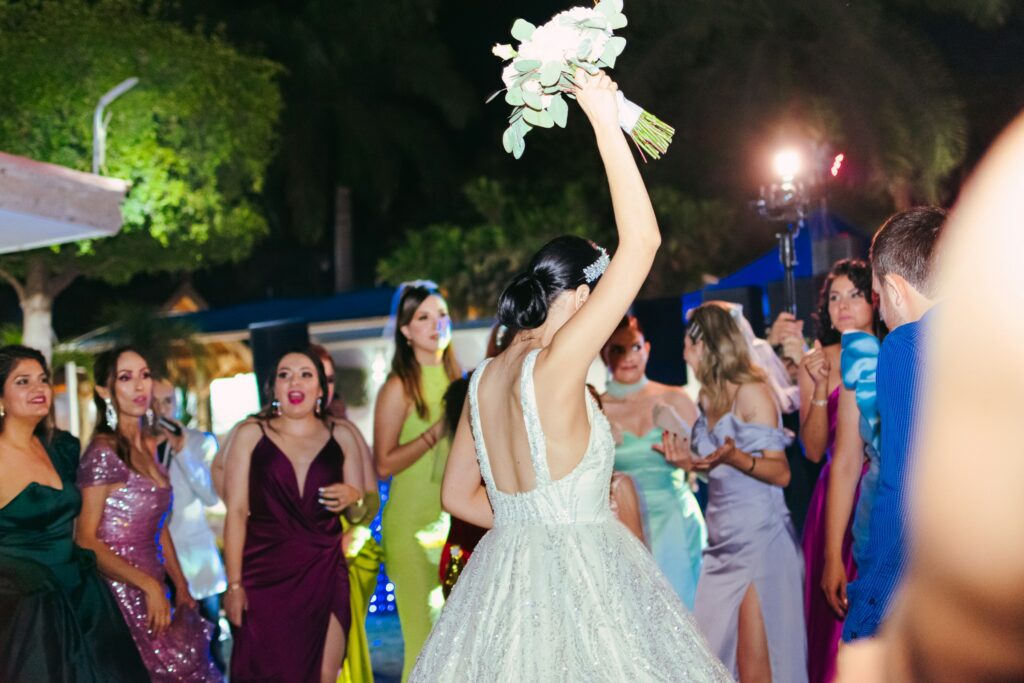
Photo by Fotógrafo Samuel Cruz on Unsplash
Conclusion
The wedding bouquet toss evolved from an intimate medieval custom into a Victorian superstition and, finally, into modern reception entertainment. Its journey reflects changing attitudes toward gender, marriage, and tradition itself. Whether couples choose to toss, modify, or abandon the tradition, understanding its roots enriches appreciation for how ceremonies both honor the past and adapt to present values.