In many households, kitchen appliances remain plugged in around the clock. Coffee makers sit ready for the morning routine, toasters stay connected for quick breakfasts, and air fryers or slow cookers remain on standby between uses. While this habit may seem convenient, it can pose several overlooked risks to safety, energy consumption, and appliance longevity. Understanding these risks can help homeowners make smarter decisions about everyday kitchen habits.
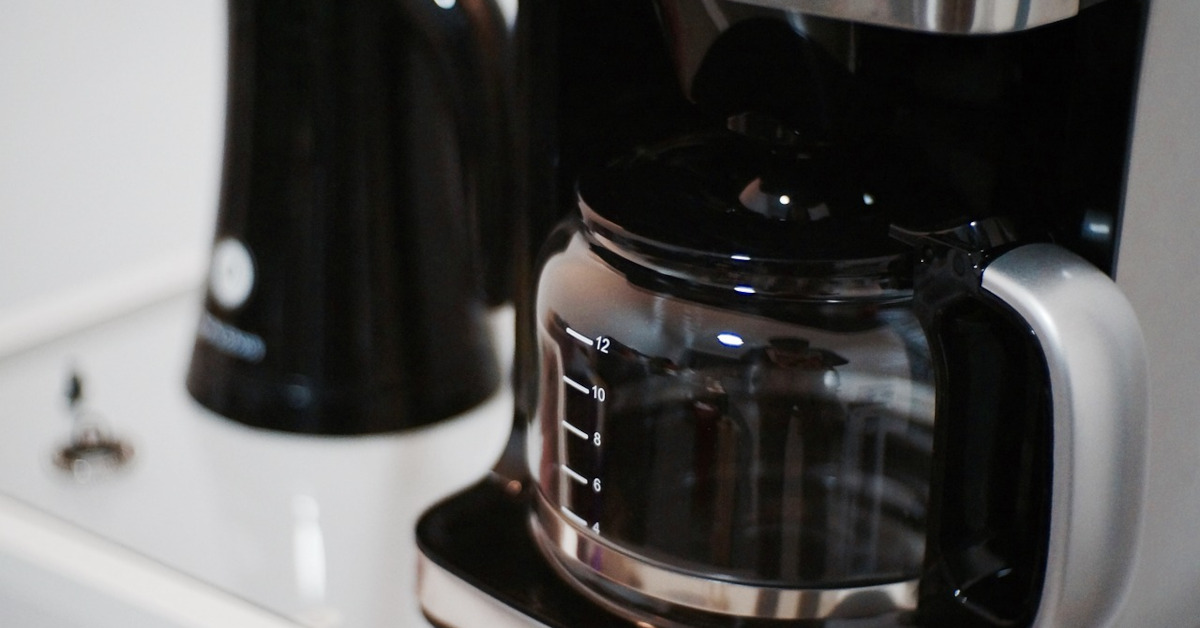
One of the primary concerns is the risk of electrical fires. Even when switched off, many appliances still draw a small amount of power. This ongoing electrical flow keeps certain internal components energized. Over time, wiring can degrade, insulation can weaken, and internal switches may fail. If a malfunction occurs while the appliance is plugged in, it can lead to overheating or sparking. Appliances that generate heat – such as toasters, coffee makers, electric kettles, air fryers, and slow cookers – are particularly vulnerable because they contain heating elements designed to reach high temperatures.
Wear and tear also increases the likelihood of electrical faults. Repeated heating and cooling cycles stress internal components. Small cracks in cords, loose connections inside plugs, or aging circuitry may not be immediately visible but can become dangerous if power continues flowing through compromised parts. Unplugging appliances when not in use cuts off the electrical supply entirely, reducing the risk of overheating caused by internal failures.
Power surges present another significant risk. Storms, grid fluctuations, or sudden voltage spikes can send excess electricity through outlets. Appliances plugged directly into walls are exposed to these surges, which can damage sensitive electronics, digital displays, and internal control boards. While surge protectors offer some protection, not all kitchen appliances are connected to them. Disconnecting appliances during storms or when away from home provides an additional layer of protection against unexpected voltage spikes.
Standby power consumption, sometimes referred to as “phantom load,” is another factor to consider. Many appliances draw small amounts of electricity even when not actively in use. Digital clocks, indicator lights, and internal sensors require continuous power. Individually, the energy usage may seem minimal, but multiple appliances plugged in throughout the kitchen can collectively increase electricity bills over time. Unplugging rarely used devices reduces unnecessary energy consumption and lowers long-term costs.
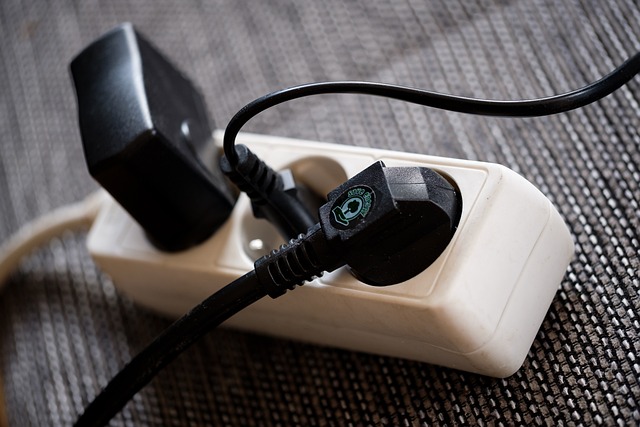
Safety concerns extend beyond electrical malfunction. Households with children or pets face additional risks when appliances remain plugged in. Curious hands can press buttons or pull on cords, potentially activating devices unintentionally. Even appliances that appear inactive can start operating if controls are triggered. Removing power by unplugging devices minimizes the chance of accidental activation.
Dust and grease buildup in kitchens can further compound risk. Cooking naturally releases airborne particles that settle on surfaces and inside appliance vents. When appliances remain connected to power, internal sparks or overheating components can ignite accumulated debris. While such incidents are uncommon, they illustrate how small maintenance oversights can combine with electrical exposure to create hazardous conditions.
Another consideration is appliance lifespan. Continuous electrical connection may contribute to gradual wear on electronic components. Voltage fluctuations, even minor ones, can stress circuitry over time. Disconnecting appliances when not in use can help preserve internal components and potentially extend the device’s overall lifespan.
Practical prevention measures are simple. Unplug heat-generating appliances after each use. Regularly inspect cords for cracks, fraying, or exposed wiring. Avoid overloading outlets, and consider using surge protectors for devices with digital components. During severe storms or extended travel, disconnect nonessential appliances entirely. These steps require minimal effort but significantly reduce potential risks.
Convenience often drives the decision to keep appliances plugged in, yet small habit changes can create meaningful safety improvements. Turning off a device is not always the same as disconnecting it from power. By making unplugging part of the routine, homeowners can reduce fire risk, protect electronics from surges, decrease energy waste, and create a safer environment for everyone in the household.


Leaving kitchen appliances plugged in may feel convenient, but it exposes homes to avoidable risks. Electrical faults, power surges, standby energy use, and accidental activation can all result from devices remaining constantly connected to power. By unplugging appliances when they are not in use, regularly checking cords, and taking simple protective steps, homeowners can reduce hazards and extend the lifespan of their appliances. Small preventative habits can make a meaningful difference in kitchen safety and efficiency.