For any gardener – beginner or expert – few frustrations rival the steady creep of weeds. One day, the soil looks clean and tidy; the next, unwanted shoots are stealing water, nutrients, and sunlight from your carefully planted vegetables or flowers. The truth is that weed prevention isn’t about a single one-time fix – it’s about creating a garden environment that discourages weeds from flourishing in the first place. With a few consistent habits and some common-sense strategies, you can keep your beds beautiful and manageable all season long.

1. Start with Healthy, Well-Prepared Soil
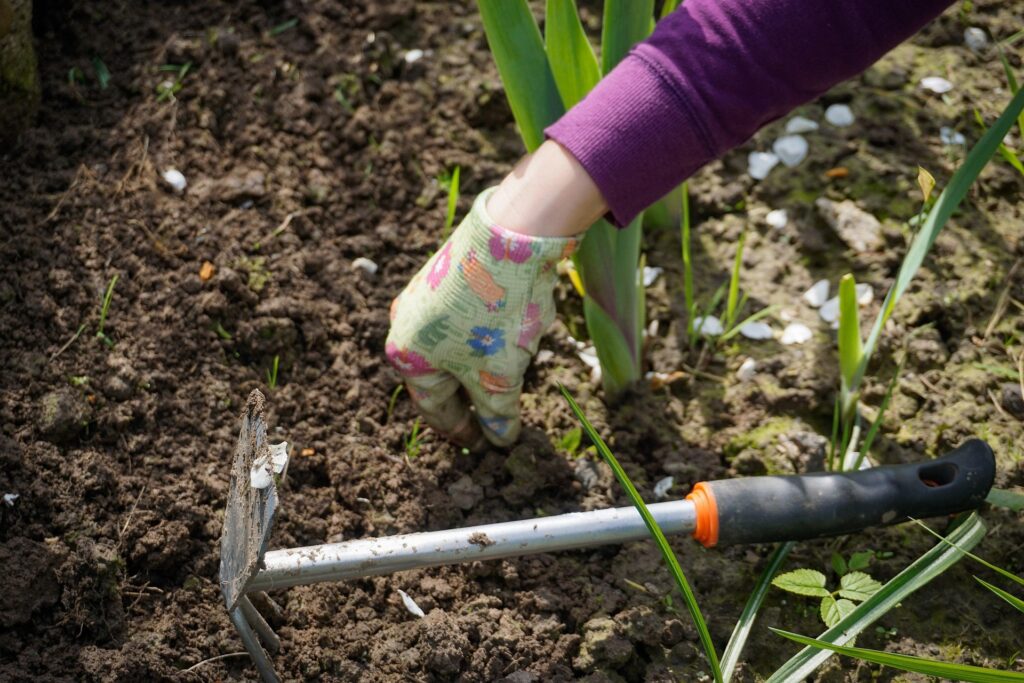
A strong garden begins below the surface. Before you plant, loosen the soil and remove any existing weeds, roots, or debris. Turning the soil lightly exposes weed seeds to sunlight, encouraging them to germinate early – then you can eliminate them before they compete with your chosen plants. Well-amended soil with plenty of organic matter (like compost) improves water retention and drainage, giving your plants an edge over weeds that thrive in disturbed, nutrient-poor areas. Healthy plants naturally shade the soil and outcompete unwanted growth.
2. Mulch, Mulch, Mulch
If there’s one golden rule for weed prevention, it’s mulching. A 2-3 inch layer of organic mulch – such as shredded bark, straw, leaf mold, or compost – blocks sunlight from reaching weed seeds. Without light, most seeds can’t germinate. Mulch also preserves soil moisture, regulates temperature, and breaks down into nutrient-rich humus over time.For decorative or low-maintenance landscapes, inorganic mulches (like gravel or landscape fabric beneath pebbles) can also work, though they don’t improve soil quality. Just be sure to leave enough space around the base of your plants to prevent moisture buildup and rot.
3. Weed Early and Often
No matter how good your prevention, a few weeds will still appear – it’s nature’s way. The key is catching them early. Baby weeds are easy to remove; their roots haven’t yet anchored deep into the soil. Make a habit of inspecting your garden once or twice a week. Hand-pulling for a few minutes consistently is far easier than battling waist-high weeds later.Pull after rain or watering, when the soil is soft. Grasp weeds at the base to remove roots entirely, especially for persistent varieties like dandelion or crabgrass. Leaving even a small root fragment behind allows them to regrow.
4. Space and Shade Strategically
A garden full of bare soil is an open invitation for weeds. When you plant closely and strategically, your desirable plants can naturally suppress weeds. Broad-leaved or low-growing ground covers—like thyme, vinca, or creeping phlox—act as living mulch, shading the soil and leaving fewer open spots for weeds to take hold.In vegetable gardens, interplanting quick-growing crops (like lettuce or radishes) between slower ones (like tomatoes or peppers) helps fill gaps before weeds can. The denser your plant coverage, the fewer opportunities weeds have to thrive.
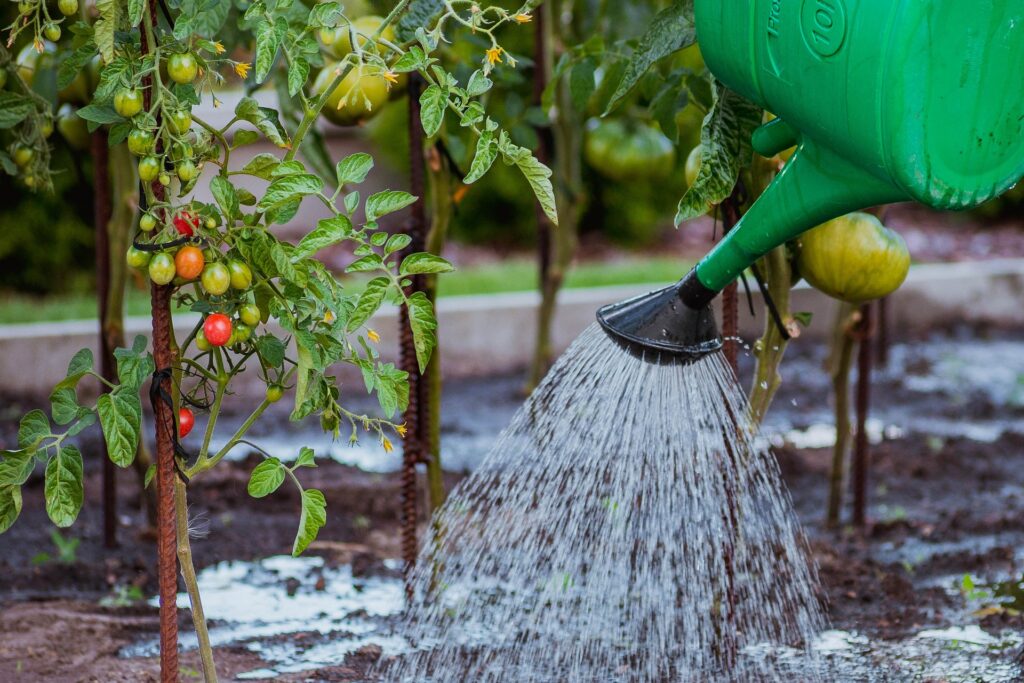
Image by Janusz Walczak from Pixabay
5. Water Wisely
How you water affects which plants survive. Drip irrigation or soaker hoses deliver moisture directly to the roots of your desired plants, keeping nearby weeds drier and less likely to sprout. Overhead watering, on the other hand, wets large patches of soil, feeding weed seeds along with everything else. Pairing targeted watering with mulch around plant bases keeps conditions optimized for crops, not invaders.
6. Use Barriers and Edging
Physical barriers help define clean boundaries and limit weed spread. Landscape edging made from metal, stone, or plastic separates lawn grasses from garden beds, preventing runners from creeping in. In vegetable beds, a simple layer of cardboard or newspaper beneath mulch serves as a biodegradable weed barrier – it smothers weeds but still allows water to pass through. Replace or top up as it decomposes each season.
7. Avoid Letting Weeds Go to Seed
One weed can produce thousands of seeds, setting the stage for next year’s battle. If you can’t pull them right away, at least snip off the flowers or seed heads before they mature. This simple step dramatically reduces future growth and saves hours of weeding later.
8. Be Patient and Persistent
No weed management approach is perfect, but consistency pays off. Each time you remove weeds before they mature, you deplete the seed bank in your soil. Over time – often just a season or two – you’ll notice a major drop in weed populations. Combine smart soil care, mulching, regular observation, and weed control into your gardening rhythm rather than treating them as an endless chore.
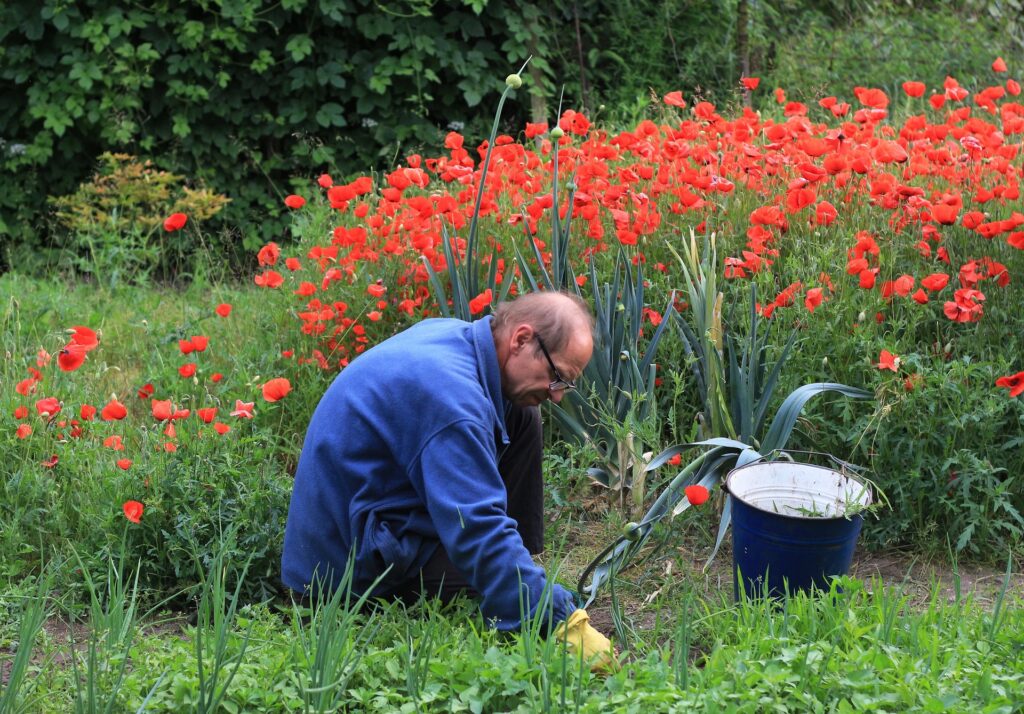
Image by Radosław Kulupa from Pixabay
In the end, preventing weeds is about balance and attention, not perfection. By nurturing healthy soil, using mulch effectively, and staying one step ahead of unwanted growth, you create a resilient ecosystem where your plants can thrive – and weeds struggle to find a foothold. A few mindful habits will keep your garden beautiful, productive, and peaceful all season long.