Garden enthusiasts and bird lovers often seek innovative ways to maintain their outdoor spaces and support local wildlife. What if I told you that a simple bar of soap could revolutionize your birdbath maintenance and bird-watching experience? This seemingly unlikely combination holds more potential than you might imagine.
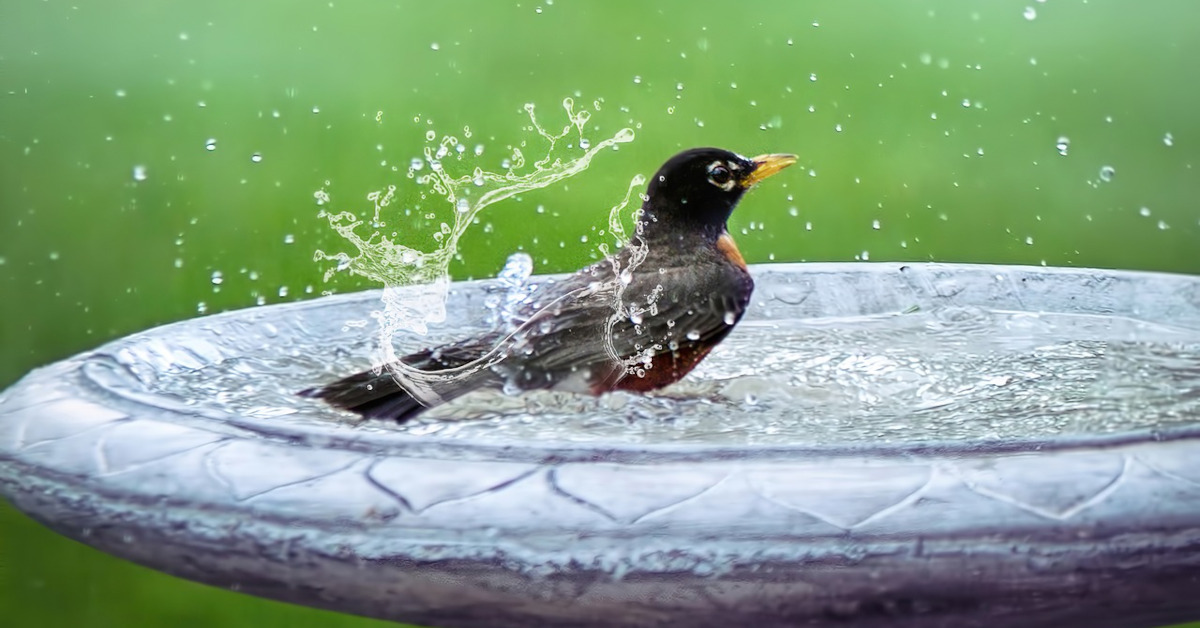
Image by Jill Wellington from Pixabay
The Unexpected Guardian of Birdbath Ecology
Bird watchers and garden caretakers have long sought natural, effective methods to keep their birdbaths clean, functional, and inviting to feathered visitors. A bar of soap, often overlooked, emerges as a surprisingly versatile tool in this delicate ecosystem management.
Algae Prevention and Control
Algae growth is the nemesis of a pristine birdbath. Dark, slimy surfaces not only look unappealing but can also harbor harmful bacteria that compromise bird health. A carefully placed bar of soap can create a subtle film that disrupts algae’s ability to establish and spread, keeping the water surface cleaner and more attractive to birds.
Natural Deterrent for Unwanted Visitors
Certain soap properties act as a gentle, natural deterrent for insects and other unwanted creatures. The mild chemical composition can create an invisible barrier that discourages mosquitoes, wasps, and other pests from colonizing the birdbath without harming the birds.
Additional Benefits
Beyond basic maintenance, soap in a birdbath offers surprising advantages:
- Water surface tension modification
- Subtle cleaning of feather surfaces
- Minimal mineral deposit prevention
- Creating a more hygienic bathing environment
Environmental Considerations
Responsible soap usage means selecting biodegradable options and monitoring quantity. The goal is subtle intervention, not saturating the environment with soap molecules. Ornithologists and ecological researchers have also observed that controlled introduction of soap can create a microenvironment less hospitable to harmful microorganisms while remaining safe for avian visitors.

Strategic Soap Placement Techniques
Chemical Composition and Bird Safety
It’s crucial to use pure, unscented, and mild soap varieties. Harsh chemicals or heavily perfumed soaps can harm birds. Recommended options include:
- Castile soap
- Pure glycerin soap
- Unscented, natural ingredient soaps
These options provide gentle protection without introducing toxic elements into the bird habitat.
Dosage and Frequency
- Use minimal soap quantities
- Replace soap every 2-3 weeks
- Monitor bird behavior and bath condition
- Rinse thoroughly between soap applications
Partial Submersion Method
Place a small portion of the soap bar just beneath the water’s surface. As water moves and birds interact, a minimal amount of soap molecules will disperse, creating a light protective layer.
Edge Positioning
Positioning the soap along the birdbath’s edge allows gradual, controlled release of its protective properties while maintaining an aesthetically pleasing environment.
Potential Limitations and Precautions
While promising, this approach isn’t universal. Different bird species, regional variations, and specific garden ecosystems might respond differently. Observation and adaptation remain key.Warning signs include
- Reduced bird visitation
- Unusual bathing behaviors
- Water discoloration
These indicators suggest that the soap method should be adjusted or discontinued.
Image by Helga Kattinger from Pixabay
Conclusion
A bar of soap in your birdbath represents more than a quirky gardening hack – it’s a nuanced approach to creating a healthier, more inviting avian environment. By understanding soap’s subtle properties and applying them thoughtfully, bird enthusiasts can transform a simple water feature into a meticulously managed wildlife sanctuary.